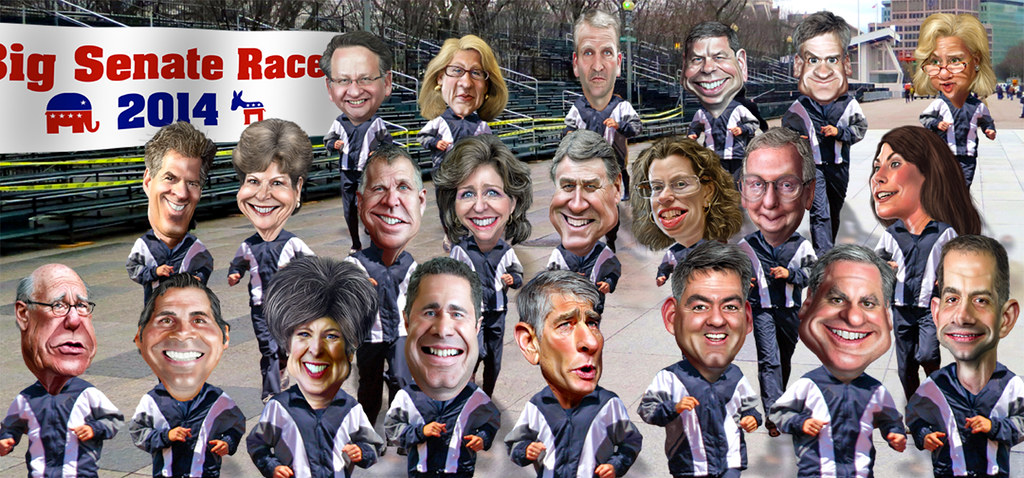
Michigan Senate Race is poised to influence the 2028 Democratic Presidential Primary in unexpected ways, shaping candidate strategies and voter engagement.
Overview of Michigan’s Senate Race
The Michigan Senate Race has emerged as a significant focal point in national politics, particularly as it may shape the landscape for the 2028 Democratic Primary. With the recent midterm elections, the dynamics in Michigan are likely to influence key strategies and candidate selections for the upcoming presidential race.
The current political climate in Michigan is characterized by several factors:
- Voter Engagement: High turnout rates among various demographics, especially young voters, indicate that candidates need to address issues pertinent to this group to secure their support.
- Key Issues: Economic concerns, healthcare access, and climate change have dominated discussions, making them crucial topics for Senate candidates to address.
- Democratic Unity: The Michigan Senate Race could serve as a litmus test for party cohesion, especially as potential presidential candidates emerge from the state.
As the race unfolds, the choices made by Democratic candidates in Michigan may resonate throughout the party. A strong performance by a Democratic candidate could bolster their chances for national recognition, while a misstep could hinder broader party efforts in 2028. With shifting demographics and an evolving political landscape, the Michigan Senate Race is set to play a pivotal role in shaping the future direction of the Democratic Party.
Key Candidates in the Midterm Election
The Michigan Senate Race has drawn significant attention as key candidates emerge in the midterm election, shaping the landscape for future Democratic primaries. Several prominent figures are vying for the opportunity to represent Michigan, each bringing unique strengths and challenges to the race.
- Gretchen Whitmer: The current Governor of Michigan, Whitmer has gained national recognition for her handling of the pandemic and her focus on infrastructure. Her popularity may bolster her chances in a Senate run, as she seeks to maintain Democratic momentum.
- Elissa Slotkin: A U.S. Representative, Slotkin has positioned herself as a moderate voice within the party. With a strong military background and experience in national security, she appeals to both progressive and centrist voters.
- Dan Kildee: Another U.S. Representative, Kildee is known for his work on economic issues and has strong ties to labor unions. His grassroots support could play a vital role in mobilizing voters.
- Rashida Tlaib: The progressive firebrand has a dedicated following and advocates for bold reforms. Her candidacy could energize younger voters and those seeking a more leftist agenda.
As these candidates prepare for the race, their positions and strategies may significantly influence the Democratic Party’s direction leading into the 2028 Presidential Primary.
Historical Context of Senate Races
The Michigan Senate Race has a rich history that reflects broader political trends and shifts within the state and the nation. Over the decades, Michigan has played a pivotal role in determining the balance of power in the Senate, with its outcomes often signaling larger electoral behaviors among voters.
In recent years, the state has shifted toward more progressive candidates, particularly in the wake of demographic changes and evolving public sentiments. This transformation has been evident in the outcomes of various Senate races, where candidates have focused on issues such as healthcare, education, and labor rights. The significance of these races extends beyond immediate electoral outcomes, as they can shape party strategies and influence primary dynamics.
Looking back at past Senate elections, it is clear that the results have often had ripple effects on presidential primaries. For instance, Democratic candidates who performed well in Michigan’s Senate Race have historically gained momentum leading into presidential election cycles. This trend suggests that the Michigan Senate Race could play a significant role in the 2028 Democratic primary, especially as candidates seek to galvanize support among the state’s diverse voter base.
With its unique blend of urban centers and rural communities, Michigan continues to serve as a microcosm of national political trends, making its Senate Race a crucial focal point for understanding upcoming electoral challenges and opportunities.
Impact on Voter Turnout
The Michigan Senate Race is poised to have a significant impact on voter turnout, particularly as the political landscape shifts in anticipation of the 2028 Democratic primary. With high stakes and an engaged electorate, this race is not only pivotal for state politics but also for national dynamics.
Several factors contribute to the potential increase in voter participation:
- Mobilization Efforts: Grassroots organizations and party affiliates are ramping up efforts to engage voters. Targeted outreach programs are focusing on underrepresented communities, aiming to boost turnout across demographics.
- Key Issues: Voters are particularly motivated by pressing issues such as healthcare, climate change, and economic stability. The candidates’ stances on these matters resonate deeply with constituents, driving them to the polls.
- Media Coverage: Extensive media attention on the Michigan Senate Race has heightened public awareness and interest. Increased visibility often correlates with higher voter engagement, as citizens feel more informed about their choices.
- Strategic Importance: Given Michigan’s role as a swing state, the outcome of the Senate race could influence Democratic strategies in the upcoming presidential election, further motivating voters to participate.
As the Michigan Senate Race unfolds, it is clear that the implications for voter turnout extend beyond state lines, potentially shaping the 2028 Democratic primary landscape.
Michigan’s Role in National Politics
Michigan’s role in national politics has become increasingly significant, particularly with the upcoming Michigan Senate Race, which is expected to have a clear impact on the 2028 Democratic Primary. As one of the pivotal battleground states, Michigan has the potential to shape the electoral landscape for future presidential elections.
The state has a diverse electorate, with varying priorities and interests that can influence both local and national discussions. Several factors contribute to Michigan’s importance:
- Electoral Votes: Michigan holds 15 electoral votes, making it a critical target for candidates in the presidential race.
- Demographic Diversity: The state’s population comprises urban, suburban, and rural voters, leading to a rich tapestry of perspectives that candidates must address.
- Economic Issues: With a focus on manufacturing and labor, economic concerns remain at the forefront of voters’ minds, impacting their choices in both the Senate Race and the presidential primary.
Additionally, the results of the Michigan Senate Race could set the tone for the Democratic Party’s direction heading into the 2028 election. A strong performance by a progressive candidate could signal a shift in party priorities, whereas a moderate victory might highlight the party’s need to appeal to a broader base. As candidates jockey for position, all eyes will be on Michigan.
Potential Democratic Candidates for 2028
The Michigan Senate Race is not only pivotal for the current political landscape but also serves as a stepping stone for potential Democratic candidates aiming for the 2028 presidential primary. As the state plays a crucial role in shaping national politics, several key figures are emerging as frontrunners for future elections.
Among the potential candidates, a few names stand out:
- Gretchen Whitmer – The current governor of Michigan, Whitmer has gained national recognition for her leadership during the pandemic and is seen as a strong contender with a solid base of support.
- Elissa Slotkin – A congresswoman representing Michigan’s 7th congressional district, Slotkin has been vocal on issues such as healthcare and national security, positioning herself as a pragmatic choice for the party.
- Dan Kildee – Another prominent congressman, Kildee has a long history of public service and is known for his focus on economic issues, which could resonate with voters in a primary setting.
- Rashida Tlaib – A progressive voice in the House, Tlaib’s bold advocacy on social justice issues could energize the party’s base, appealing to younger voters and those seeking reform.
As the Michigan Senate Race unfolds, it will undoubtedly influence the strategies and decisions of these potential Democratic candidates as they prepare for the 2028 primary.
How Senate Dynamics Affect Primaries
The dynamics of the Michigan Senate Race are poised to have a significant impact on the 2028 Democratic primary. As candidates vie for positioning and support, the outcomes in Michigan could set a precedent for the national landscape.
Several factors contribute to this potential influence:
- Voter Engagement: High turnout in Michigan during the Senate race may energize voters for upcoming primaries, creating a momentum that could carry through to 2028.
- Candidate Profiles: The candidates emerging from the Michigan Senate Race may shape the profiles of future Democratic contenders, especially if they resonate with key voter demographics.
- Party Unity: How the Democratic Party rallies behind its Senate candidate can signal unity or division, which is crucial as the party heads into the primaries.
- Policy Issues: The issues highlighted during the Senate race—such as healthcare, education, and climate change—will likely influence the platforms of candidates in the 2028 primary.
Moreover, Michigan’s unique political landscape, with its mix of urban and rural voters, adds another layer of complexity. As candidates seek to address diverse concerns, their strategies may reflect broader trends within the Democratic Party, impacting the primaries significantly. The Michigan Senate Race, therefore, is not just a local contest; it is a pivotal moment in shaping the future of the Democratic Party.
Predictions for Future Elections
The Michigan Senate Race is poised to have lasting implications for future elections, particularly as the Democratic Party turns its attention to the 2028 presidential primary. Analysts suggest that the outcomes of the current Senate race could shape the strategic decisions of potential candidates and influence voter engagement in the years to come.
As candidates emerge and the political landscape evolves, the following factors are expected to play a significant role:
- Party Unity: The Michigan Senate Race may serve as a litmus test for party cohesion. A strong Democratic candidate could unify various factions within the party, bolstering their chances in the 2028 primary.
- Voter Demographics: Understanding the shifting demographics in Michigan will be crucial. Candidates who can resonate with diverse voter groups may gain a significant advantage in the upcoming primary.
- Campaign Strategies: The strategies employed during the Michigan Senate Race will likely become templates for future campaigns. Candidates will analyze what worked and what didn’t to refine their approaches.
- National Spotlight: With Michigan’s pivotal role in the electoral process, the Senate race will draw national attention, potentially influencing fundraising and support networks for 2028 candidates.
In conclusion, the Michigan Senate Race is not just a localized contest; it is a battleground that could significantly impact the Democratic primary landscape moving forward.
By DonkeyHotey via Openverse
Read the original
Tamil Nadu govt jobs: Easy age relaxation for aspirants · Age Relaxation for Government Jobs: Tamil Nadu’s Simple Move · Karbonn India Re-Entry: A Smart Move for Budget Creators


One thought on “Michigan Senate Race: Clear Impact on 2028 Democratic Primary”