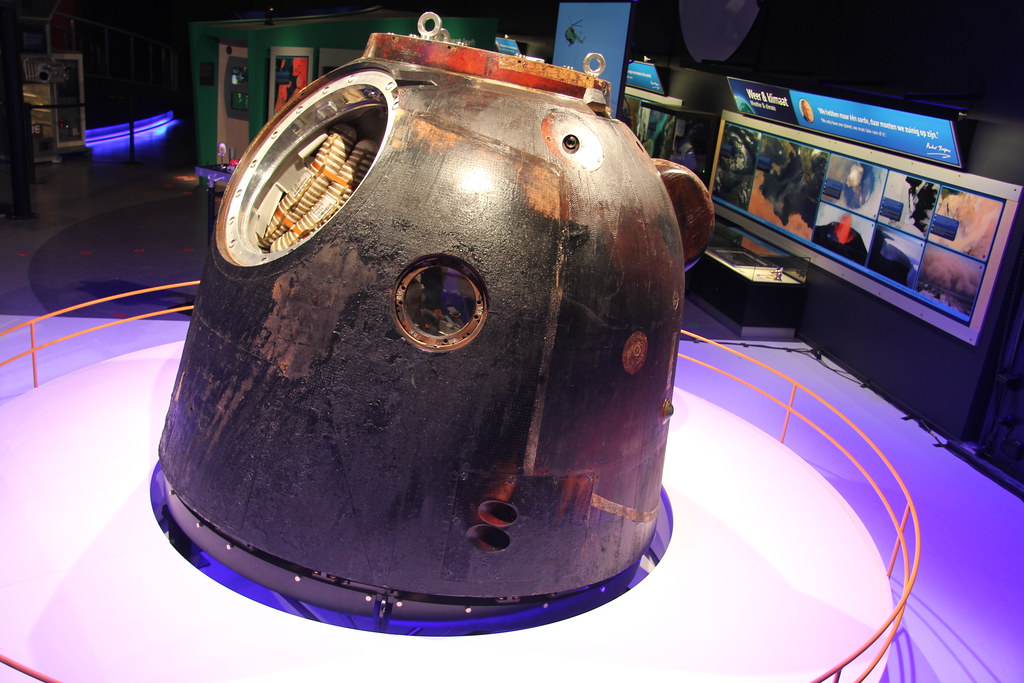
Russian cosmonaut return is set for October 8, 2023, as Fedyayev prepares to leave the International Space Station and return to Earth.
Overview of Fedyayev’s Mission
Russian cosmonaut Alexander Fedyayev is set to return to Earth from the International Space Station (ISS) on October 8. His mission, which commenced several months ago, has contributed significantly to various scientific research projects aimed at understanding life in space.
During his time aboard the ISS, Fedyayev was involved in a range of experiments, including those focused on biological sciences, materials science, and technology demonstrations. These studies are vital for preparing for future long-duration missions, including potential journeys to the Moon and Mars.
Fedyayev’s return marks an important milestone for the Russian space program, especially following a series of successful missions that have demonstrated the resilience and capability of Russian cosmonauts. As he prepares for the journey back to Earth, Fedyayev expresses gratitude for his experiences and looks forward to sharing his insights with the scientific community on the ground.
- Duration of Mission: Several months
- Key Areas of Research: Biological sciences, materials science
- Significance: Preparation for future space exploration
Significance of the ISS
The International Space Station (ISS) serves as a vital hub for scientific research and international collaboration in space. It has been pivotal in expanding our understanding of various fields, including biology, physics, and astronomy.
As astronauts like Russian cosmonaut Fedyayev complete missions aboard the ISS, they contribute to a wealth of knowledge that can benefit life on Earth. The experiments conducted in microgravity have far-reaching implications for health, technology, and environmental sustainability.
Moreover, the ISS symbolizes a unity of purpose among nations in the quest for exploration beyond our planet. It brings together diverse teams from around the world, fostering peaceful cooperation in a domain often seen as competitive.
Fedyayev’s return, marked by his safe journey from the ISS to Earth, highlights the importance of these missions. Each return adds to the collective experience and data that inform future space endeavors, making the ISS a cornerstone of modern space exploration.
- Research on human health in space
- Technological advancements through experimentation
- International collaboration in space missions
What to Expect During Re-entry
As Russian cosmonaut Fedyayev prepares for his return journey from the International Space Station (ISS) to Earth, there are several critical aspects to consider during the re-entry phase. This process is crucial for ensuring a safe and successful landing after a long mission in space.
During re-entry, the spacecraft will experience intense heat and pressure as it descends through the Earth’s atmosphere. Here are a few key elements to expect:
- Heat Shielding: The spacecraft is equipped with advanced heat shields designed to protect it from the extreme temperatures generated during re-entry.
- Deceleration: As the spacecraft re-enters the atmosphere, it will decelerate rapidly, which can create significant G-forces for the crew onboard.
- Parachute Deployment: Once the spacecraft slows down sufficiently, parachutes will deploy to facilitate a safe landing.
- Landing Zone: Fedyayev’s return is expected to take place in a designated landing zone, ensuring a swift recovery by ground teams.
These procedures are vital for ensuring a safe return for Fedyayev as he concludes his mission aboard the ISS.
Timeline of the Return
The timeline of the return of Russian cosmonaut Fedyayev from the International Space Station (ISS) to Earth is carefully planned to ensure a safe journey. Below are the key milestones leading up to his return:
- October 5, 2023: Final checks are performed on the spacecraft, ensuring all systems are operational for the descent.
- October 7, 2023: Fedyayev and his team complete their last day of experiments aboard the ISS, wrapping up their mission successfully.
- October 8, 2023: The descent process begins with the undocking from the ISS at 2:30 AM GMT. This marks the official start of Fedyayev’s journey back to Earth.
- October 8, 2023: Re-entry into Earth’s atmosphere is scheduled for approximately 6:15 AM GMT, where the spacecraft will experience intense heat and pressure.
- October 8, 2023: Landing in the designated recovery area is anticipated around 7:00 AM GMT, completing Fedyayev’s safe return from the ISS.
This timeline highlights the meticulous planning involved in ensuring the safety of the Russian cosmonaut during his return journey.
Previous Missions of Fedyayev
Russian cosmonaut Oleg Fedyayev has a notable history of space exploration prior to his current mission aboard the International Space Station (ISS). His previous missions have significantly contributed to our understanding of life in space and the complexities of long-duration flights.
Fedyayev’s first journey into space took place in 2021, where he participated in a variety of experiments aimed at studying the effects of microgravity on the human body. During this mission, he spent over six months aboard the ISS, collaborating with international teams on groundbreaking research.
In his second mission, Fedyayev focused on enhancing communication technologies between Earth and the ISS, which are crucial for future long-term missions to the Moon and Mars. His expertise and contributions have made him a valuable asset to the Russian space program.
As Fedyayev prepares for his return to Earth, his experiences and insights from previous missions will undoubtedly influence the ongoing development of human spaceflight. The Russian cosmonaut return on October 8 not only marks the end of his mission but also highlights the importance of his work in advancing space exploration.
Impact on Future Space Missions
The recent return of Russian cosmonaut Fedyayev from the International Space Station (ISS) marks a significant event in the realm of space exploration, impacting future missions. As nations strive to expand their presence in low Earth orbit, the successful completion of Fedyayev’s mission underscores the importance of international collaboration in space endeavors.
Experts believe that the Russian cosmonaut return could pave the way for enhanced partnerships among space agencies. Lessons learned from the journey can lead to improved safety protocols and mission planning for upcoming projects. With increasing interest from private companies and other nations, the insights gained from Fedyayev’s experience will be invaluable.
Moreover, advancements in technology showcased during this mission may help reduce costs and improve efficiency for future missions. As nations prepare for longer-duration stays in space, understanding the physiological and psychological effects on astronauts will be critical in shaping the design of future spacecraft.
Overall, Fedyayev’s return signifies not just a personal achievement but a crucial step forward for the global space community.
Public Interest in Space Travel
The public’s interest in space travel has surged in recent years, largely fueled by the exciting missions conducted aboard the International Space Station (ISS). With the upcoming Russian cosmonaut return of Andrey Fedyayev on October 8, there is renewed fascination surrounding the journey from the ISS back to Earth. This event not only captivates space enthusiasts but also sparks curiosity among those who may not typically follow space exploration.
Many are eager to learn more about the experiences of astronauts and cosmonauts, as their journeys provide valuable insights into the challenges and wonders of living and working in space. The story of Fedyayev’s return is a testament to human ingenuity and resilience, inspiring a new generation to dream about careers in science, technology, engineering, and mathematics (STEM).
Social media platforms are buzzing with discussions, as people share their thoughts on the significance of space missions and their implications for future exploration. With each successful mission, the dream of exploring beyond our planet feels increasingly within reach.
Roscosmos and International Cooperation
The return of Russian cosmonaut Fedyayev from the International Space Station (ISS) highlights the importance of international cooperation in space exploration. Roscosmos, the Russian space agency, collaborates with various international partners to ensure successful missions and safe returns.
Throughout the years, the ISS has served as a platform for shared scientific research and technological advancements, fostering partnerships between countries. The united efforts of astronauts and cosmonauts from different nations exemplify the spirit of collaboration that transcends borders.
As Fedyayev prepares for his return journey, his mission underscores the role of joint initiatives in enhancing our understanding of space. This cooperation not only benefits individual countries but also contributes to humanity’s collective knowledge about the universe.
Moreover, the safe journey of Russian cosmonaut Fedyayev back to Earth is a testament to the efficacy of joint operations in achieving common goals. The continued partnership in space endeavors is crucial for paving the way for future exploration and research.
The successful Russian cosmonaut return marks a significant achievement for the space program. As they touch down safely, the world celebrates the Russian cosmonaut return journey from the International Space Station.
By europeanspaceagency via Openverse
References
You might also like
Amazon Prime Day tech deals: Best proven savings on top brands · Yemen forces gains: Proven strategies near Bab al-Mandeb · Draconid meteor shower: Easy tips to see the cosmic show

2 thoughts on “Russian Cosmonaut Return: Safe Journey from ISS to Earth”