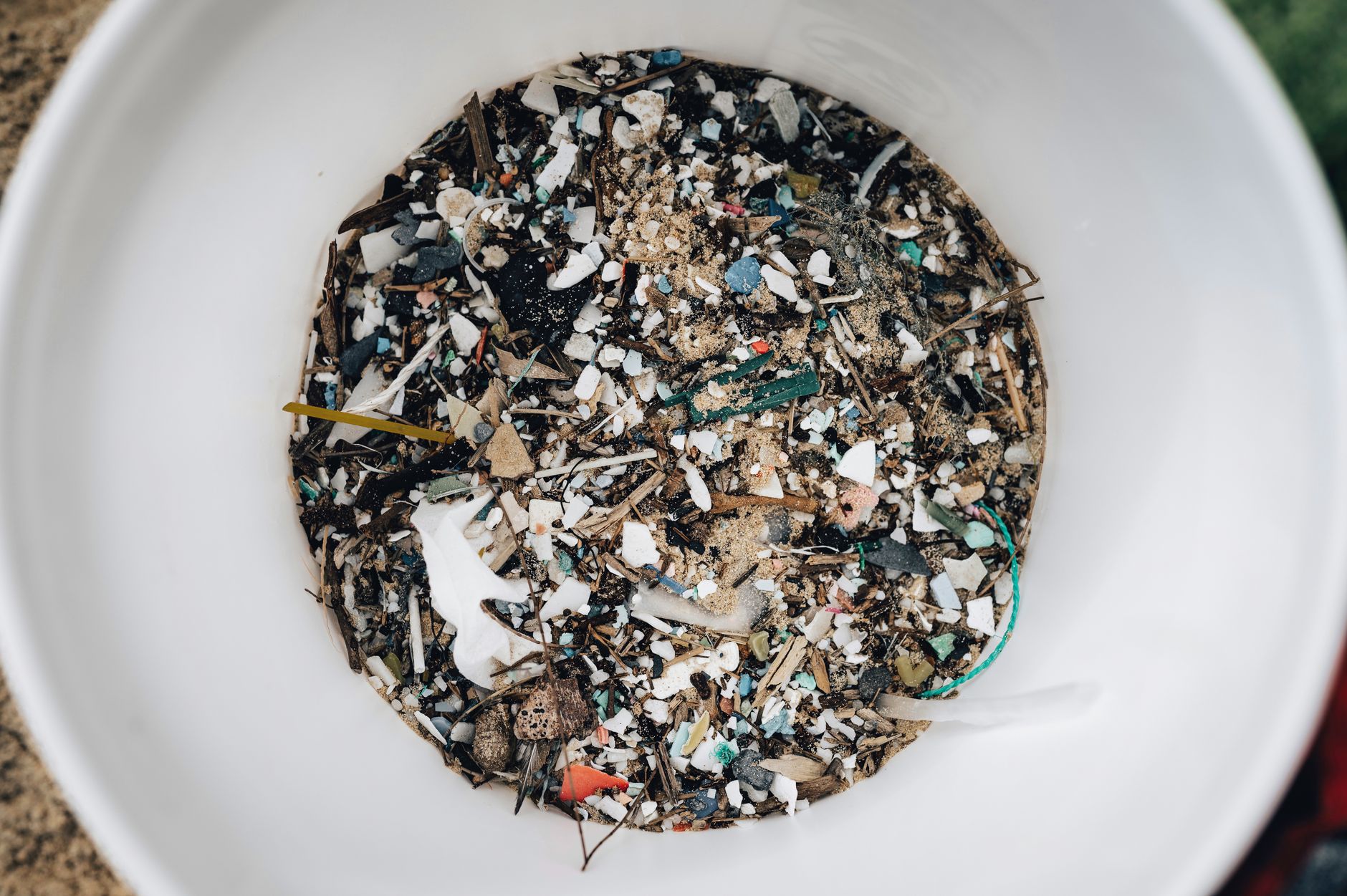
Microplastic harm reactions have been brought to light by recent scientific discoveries. Researchers have found that water-triggered reactions could explain the adverse effects of microplastics on health and the environment.
Understanding Microplastic Harm
Recent research has shed light on the complex nature of microplastic harm reactions, revealing how they can pose significant risks to environmental and human health. Scientists have discovered that when microplastics come into contact with water, they trigger a series of reactions that may release harmful chemicals into the ecosystem.
These reactions are concerning for several reasons:
- Chemical Leaching: Microplastics can leach toxic substances, which may accumulate in aquatic organisms.
- Bioaccumulation: Smaller organisms ingest microplastics, leading to a chain of accumulation in larger predators.
- Potential Human Impact: As microplastics enter the food chain, they raise questions about their long-term effects on human health.
Understanding these microplastic harm reactions is crucial for developing strategies to mitigate their impact and safeguard our environment for future generations.
Recent Scientific Discoveries
Recent research has unveiled alarming insights into microplastic harm reactions, highlighting the potential dangers these tiny particles pose to both human health and the environment. Studies indicate that microplastics can trigger various chemical reactions when exposed to water, leading to the release of harmful substances.
Key findings from scientists include:
- Chemical Leaching: Microplastics may leach toxic chemicals into surrounding water, which can accumulate in aquatic life.
- Cellular Responses: Laboratory tests show that human cells exposed to microplastics exhibit stress reactions, indicating potential health risks.
- Ecological Impact: The interactions between microplastics and marine organisms could disrupt ecosystems, affecting food chains.
These discoveries underscore the urgent need for further research into microplastic harm reactions and their implications for environmental and public health.
The Role of Water in Reactions
Recent studies have highlighted the crucial role of water in triggering harmful reactions associated with microplastics. As microplastics enter aquatic environments, they interact with water molecules, leading to a series of chemical transformations that can pose risks to both marine life and human health.
These water-triggered reactions can enhance the release of toxic substances from microplastics, further complicating the issue of microplastic harm reactions. The presence of various contaminants in water can exacerbate these processes, resulting in a cocktail of harmful agents that may accumulate in the food chain.
Moreover, researchers emphasize the importance of understanding these interactions, as they may offer insights into mitigating the effects of microplastics. By examining how water facilitates these harmful reactions, scientists can develop strategies to reduce the prevalence of microplastics in our ecosystems and protect both environmental and public health.
Health Risks of Microplastics
Recent research has unveiled alarming health risks associated with microplastics, emphasizing the significance of understanding microplastic harm reactions. Microplastics, tiny plastic particles less than five millimeters in size, have infiltrated various ecosystems and food sources, raising concerns about their potential impact on human health.
Studies indicate that microplastics can provoke a range of harmful reactions within the body, including:
- Inflammation: The presence of microplastics may trigger immune responses, leading to chronic inflammation.
- Toxicity: Chemicals associated with microplastics can leach into bodily systems, resulting in toxic effects on organs.
- Endocrine disruption: Certain microplastics have been linked to hormonal imbalances, affecting reproductive health.
As scientists continue to explore these health risks, it becomes increasingly clear that addressing microplastic harm reactions is crucial for safeguarding public health.
Environmental Impact of Microplastics
Microplastics pose a significant environmental threat, impacting ecosystems and wildlife across the globe. These tiny particles, often found in oceans, rivers, and soils, can have devastating effects on various organisms.
Research has shown that microplastic harm reactions can lead to a cascade of detrimental effects, including:
- Bioaccumulation: Microplastics can be ingested by marine life, accumulating in their bodies and potentially entering the food chain.
- Toxicity: Many microplastics carry harmful chemicals that can leach into the environment, affecting both aquatic and terrestrial life.
- Habitat Disruption: The presence of microplastics can alter habitats, making them less suitable for various species.
The impact of these particles extends beyond individual species, threatening entire ecosystems and the services they provide to humans, underscoring the urgent need for further investigation into microplastic harm reactions.
Future Research Directions
Future research directions in the field of microplastic harm reactions are essential for further understanding the implications of these tiny pollutants. Scientists are now focusing on several key areas:
- Long-term Exposure Studies: Investigating the chronic effects of microplastic exposure on human health and ecosystems.
- Chemical Interactions: Analyzing how microplastics interact with various environmental factors, including different types of water and pollutants.
- Toxicological Assessments: Evaluating the specific health risks associated with various microplastic types and their degradation products.
- Mitigation Strategies: Developing effective methods to reduce microplastic pollution and its associated harm.
As researchers continue to uncover the complexities of microplastic harm reactions, a clearer picture of their dangers will emerge, ultimately guiding policy decisions and public awareness campaigns.
Public Awareness and Education
As the threat of microplastics continues to unfold, public awareness and education play crucial roles in addressing microplastic harm reactions. Many individuals remain unaware of the extent to which microplastics infiltrate both the environment and human health.
Efforts to educate the public include:
- Workshops and Seminars: These events aim to inform communities about the sources and risks associated with microplastics.
- School Programs: Integrating environmental science curricula that focus on microplastics encourages younger generations to engage with the issue.
- Social Media Campaigns: Using digital platforms to spread awareness can reach a wider audience and promote sustainable practices.
Increased awareness can lead to collective action, prompting changes in consumer behavior and policy-making, ultimately reducing the risk of microplastic pollution and its harmful effects.
Photo by Alfo Medeiros on Pexels

One thought on “Microplastic harm reactions: Proven discoveries reveal dangers”