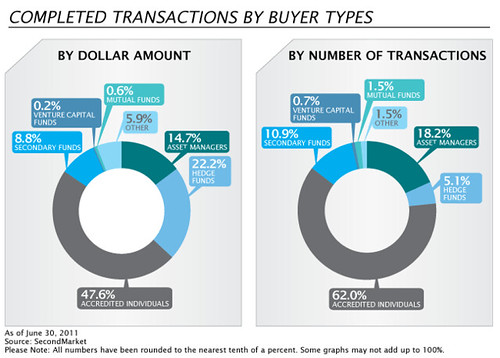
Hedge fund assets have seen a notable rise recently, even as the pace of growth slows and liquidations decline. This trend highlights significant shifts in the investment market.
Understanding Hedge Fund Assets
Hedge fund assets have been experiencing notable growth despite a slower pace in recent months. This trend highlights the resilience of the hedge fund industry, which has adapted to changing market dynamics and investor preferences. As the global economy continues to evolve, hedge funds are increasingly viewed as a viable investment option due to their potential for higher returns and diversification.
One of the key factors contributing to the rise in hedge fund assets is the strategic allocation of investments. Hedge funds often utilize a variety of strategies, from long/short equity to event-driven and global macro, allowing them to navigate market fluctuations more effectively. This versatility appeals to investors seeking to enhance their portfolios.
Additionally, the decline in liquidation rates signifies that more hedge funds are successfully managing their assets and meeting investor expectations. This reduction in closures can be attributed to improved risk management practices and a focus on transparency. As hedge fund managers continue to refine their approaches, confidence in the industry is expected to strengthen.
Moreover, investors are increasingly drawn to the potential of hedge funds to deliver alpha, especially in uncertain market conditions. The combination of innovative strategies and robust asset management is likely to sustain the upward trend of hedge fund assets in the foreseeable future.
In summary, the growth in hedge fund assets reflects a broader shift in investment strategies and investor confidence, underscoring the industry’s adaptability and appeal.
Trends in Liquidation Rates
Recent reports indicate a notable shift in the landscape of hedge fund assets, particularly concerning liquidation rates. The industry has experienced a decline in liquidations, which is a positive sign for investors looking for stability in this sector. As hedge fund assets continue to rise, the correlation between asset growth and reduced liquidation rates becomes increasingly clear.
Several factors contribute to this trend:
- Improved Risk Management: Many hedge funds have adopted more sophisticated risk management strategies, allowing them to navigate market fluctuations better.
- Increased Investor Confidence: With rising hedge fund assets, investors are exhibiting greater confidence in these funds, leading to more sustained investments.
- Market Adaptation: Hedge funds are becoming more adept at adapting to changing market conditions, which helps in maintaining their asset bases while minimizing the need for liquidation.
Additionally, the decline in liquidation rates can be attributed to the ongoing recovery in global markets. As economies stabilize, hedge fund managers are finding it easier to generate returns, thereby reducing the urgency for liquidating assets. This scenario indicates that hedge funds are not only holding onto their assets more effectively but also positioning themselves to capitalize on future opportunities.
In summary, the current trends in liquidation rates reflect a more resilient hedge fund industry, which is essential for sustaining growth in hedge fund assets moving forward.
Impact of Market Conditions
The recent trends in hedge fund assets reflect a complex interplay of market conditions that influence both performance and investor sentiment. As financial markets experience fluctuations, hedge funds have adapted their strategies to maintain and even grow their asset bases. This adaptability is crucial in navigating economic uncertainties.
Several key factors are impacting the landscape of hedge fund assets:
- Interest Rates: The rise in interest rates has led to a more cautious approach among investors, who are focusing on funds that demonstrate stability and resilience in volatile environments.
- Market Volatility: Increased market volatility often prompts investors to seek the expertise of hedge funds, which can deploy diverse strategies to mitigate risks and enhance returns.
- Shifts in Investor Preferences: A growing preference for alternative investments has resulted in a steady influx of capital into hedge funds, contributing to the rise in assets under management.
- Global Economic Conditions: Economic indicators, such as inflation and GDP growth rates, play a significant role in shaping investor confidence and, subsequently, the demand for hedge fund assets.
Hedge fund managers are increasingly focusing on innovative strategies to capitalize on these market conditions. As a result, liquidation rates have declined, showcasing the resilience of the sector amid changing economic landscapes.
Future Outlook for Hedge Funds
The future outlook for hedge fund assets appears cautiously optimistic, despite the current market conditions. Analysts predict that while growth may not be as rapid as in previous years, the overall trend indicates a steady increase in assets under management. This resilience is attributed to several factors that are shaping the industry.
Firstly, hedge funds are adapting to changing investor preferences by diversifying their strategies. As investors seek alternative investment opportunities, funds are responding by incorporating innovative approaches that appeal to a broader audience. This adaptability could lead to an influx of new capital, thereby boosting hedge fund assets.
Secondly, the reduction in liquidation rates suggests that funds are better equipped to navigate economic turbulence. With fewer funds shutting down, the industry is stabilizing, providing a more secure environment for both investors and fund managers. This stability is likely to encourage more long-term investments, further enhancing hedge fund assets.
Moreover, regulatory changes are fostering a more transparent and efficient environment, making hedge funds more attractive to institutional investors. As these entities increasingly allocate capital to hedge funds, the cumulative effect could significantly elevate the total assets managed by these funds.
In conclusion, while challenges remain, the positive trends in hedge fund assets and a decrease in liquidation rates may set the stage for a more robust future in the hedge fund industry.
By tjohansmeyer via Openverse
References
You might also like
Kia EV6 lease: The Best Proven Way to Go Electric · Mumbai to Navi Mumbai airport: Is this the best move? · World Championships 2026: The Best Greco-Roman Wrestling Events

One thought on “Hedge Fund Assets Rise: Proven Trends in Liquidation Rates”