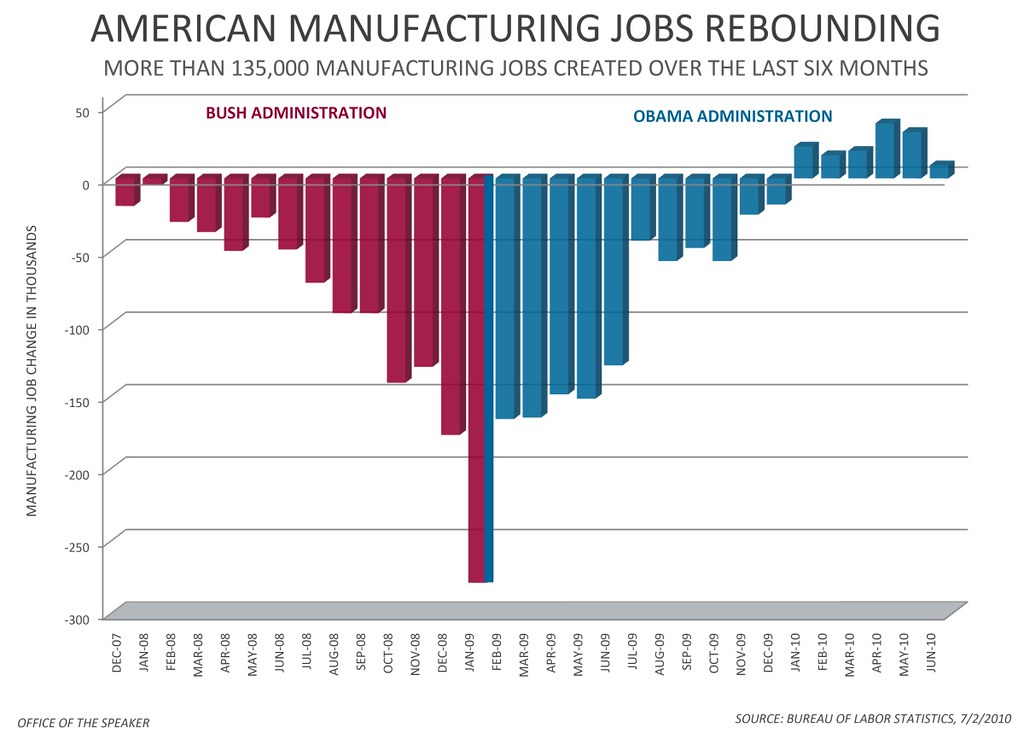
Durable Goods Orders are crucial for analyzing the economic landscape. This report sheds light on shipments, inventories, and orders, providing valuable insights for businesses and policymakers.
Overview of Durable Goods Orders
The latest figures from the Monthly Advance Report on Durable Goods Manufacturers’ Shipments Inventories and Orders highlight crucial trends in the manufacturing sector. Durable goods orders, which represent new work from manufacturers for items expected to last three years or more, play a significant role in gauging economic health.
In the most recent report, the data revealed an increase in durable goods orders, signaling robust demand for long-lasting products. This uptick is attributed to several factors, including:
- Increased Consumer Spending: A surge in consumer confidence has led to higher spending, particularly in sectors like automobiles and appliances.
- Business Investments: Many companies are investing in capital goods to enhance production capabilities, reflecting a positive outlook on economic growth.
- Supply Chain Improvements: Ongoing enhancements in supply chain logistics have allowed manufacturers to meet demand more effectively.
Additionally, the inventory levels of durable goods have shown a notable adjustment. Manufacturers are working to balance supply with the growing orders, which is essential for maintaining efficiency in operations. As businesses navigate these dynamics, the durable goods orders data will continue to serve as a vital indicator for future economic activity.
Key Trends in Shipments
The latest data on Durable Goods Orders reveals several key trends in shipments that are shaping the manufacturing landscape. As reported in the Monthly Advance Report on Durable Goods Manufacturers’ Shipments Inventories and Orders, shipments have exhibited notable fluctuations over the past few months.
One of the most significant trends is the increase in demand for transportation equipment, which includes vehicles and parts. This sector has seen a surge in shipments, reflecting a rebound in consumer spending and business investment. The following points highlight additional trends observed:
- Growth in Machinery Shipments: Machinery shipments have also risen steadily, indicating a positive outlook for the manufacturing sector and capital investment.
- Electronics and Appliances: There remains a strong demand for electronics and appliances, although growth rates have started to stabilize after rapid increases.
- Supply Chain Adjustments: Manufacturers are adapting to ongoing supply chain challenges, which has led to a more strategic approach in managing inventories and production schedules.
- Impact of Economic Conditions: Economic uncertainties continue to influence shipments, with businesses remaining cautious in their ordering patterns.
These trends in shipments are essential for understanding the broader context of durable goods orders and their implications for economic growth. Monitoring these patterns will be crucial as manufacturers navigate evolving market conditions.
Understanding Inventories
Understanding inventories is crucial for analyzing Durable Goods Orders, as they provide insight into the production and supply chain dynamics. Inventories represent the stock of goods that manufacturers have on hand, which can indicate the health of the manufacturing sector and the overall economy.
Recent reports highlight that a rise in inventories often suggests that manufacturers are expecting higher demand in the future. Conversely, a decrease may indicate that businesses are working through their stock, possibly due to reduced consumer interest or economic uncertainties. The relationship between shipments and inventories is particularly telling; when shipments increase while inventories decrease, it signals robust demand and efficient production.
According to the latest Monthly Advance Report on Durable Goods Manufacturers’ Shipments Inventories and Orders, the inventory levels have shown fluctuations that reflect current market conditions. Key points to consider include:
- Current Inventory Levels: Tracking the month-over-month changes in inventories can help identify trends.
- Impact of Supply Chain Issues: Ongoing supply chain disruptions have affected inventory availability.
- Sector-Specific Trends: Different sectors may experience varying levels of inventory changes, impacting overall Durable Goods Orders.
In summary, understanding inventories provides valuable insights into the manufacturing landscape and the broader economic implications tied to Durable Goods Orders.
Impact on Economic Growth
The latest data on Durable Goods Orders provides critical insights into the current state of economic growth. As businesses adjust to changing consumer demands and global supply chain challenges, the trends in durable goods can serve as a bellwether for the broader economy.
When durable goods shipments increase, it often indicates that manufacturers are confident in future demand, which can lead to expanded production and hiring. Conversely, a decline in orders might suggest a slowdown in economic activity. This dynamic underscores the importance of monitoring these orders as they can reflect both consumer sentiment and business investment trends.
Additionally, durable goods inventories play a pivotal role in determining overall economic health. A buildup of unsold inventory may prompt manufacturers to cut back on production and investments, potentially leading to a contraction in economic growth. Therefore, the relationship between shipments and inventories provides a clearer picture of future economic conditions.
Furthermore, analysts emphasize the significance of core durable goods orders, which exclude volatile categories like transportation. This metric often serves as a more reliable indicator of underlying economic strength and is closely watched by policymakers and investors alike.
In conclusion, the fluctuations in durable goods orders are not just numbers; they are reflections of business confidence and consumer behavior that can significantly impact economic growth trajectories.
Monthly Report Highlights
The latest Monthly Advance Report on Durable Goods Manufacturers’ Shipments, Inventories, and Orders has provided critical insights into the current state of the economy. This report highlights several key factors that are influencing the market.
Firstly, total durable goods orders increased by 2.4% in September, indicating a positive trend in demand for long-lasting goods. This rise reflects strong consumer confidence and robust spending, particularly in the transportation sector, which saw a significant uptick in orders.
Another notable aspect of the report is the inventory levels among manufacturers. The data shows that inventories of durable goods rose by 1.0%, suggesting that producers are anticipating continued demand and are preparing to meet it. This increase in inventory is crucial for sustaining production rates and addressing potential supply chain disruptions.
Furthermore, shipments also experienced a growth of 3.1%, which is a promising indicator of economic activity. As shipments rise, it signals that goods are moving through the supply chain effectively, bolstering overall economic performance.
In conclusion, the Monthly Report on Durable Goods Orders provides a comprehensive view of how shipments and inventories are evolving, reflecting broader economic trends that warrant close attention from analysts and policymakers alike.
Future Projections
As analysts look ahead, expectations for Durable Goods Orders continue to evolve in response to market dynamics and economic indicators. With the ongoing recovery from the pandemic and shifts in consumer behavior, projections suggest a steady increase in orders over the next quarter.
Several factors are expected to influence this trend:
- Consumer Demand: As confidence grows, consumer spending on durable goods is anticipated to rise, driven by favorable employment rates and wage growth.
- Supply Chain Resilience: Improvements in supply chain logistics may alleviate previous bottlenecks, allowing manufacturers to fulfill backlogged orders more efficiently.
- Technological Advancements: Ongoing innovation in manufacturing processes could enhance production capabilities, potentially leading to greater output of durable goods.
- Global Trade Relations: The stabilization of international trade agreements may provide further support to durable goods exports, contributing to an overall positive outlook.
Despite potential challenges, including inflationary pressures and geopolitical uncertainties, the general sentiment remains optimistic. Analysts predict that, barring significant disruptions, durable goods orders will reflect a healthy upward trajectory, underscoring the resilience of the manufacturing sector and its pivotal role in economic recovery.
Conclusion and Insights
In conclusion, the latest insights into Durable Goods Orders reveal critical trends that can significantly influence both manufacturers and the economy. The data indicates a persistent growth trajectory in shipments, which is a positive sign for production and employment levels in the manufacturing sector. As businesses adapt to changing consumer demands, understanding these trends becomes essential for strategic planning.
Moreover, the analysis of inventories highlights the importance of maintaining balance in stock levels. An increase in inventories can suggest that demand may be slowing, while a decrease might indicate robust consumer interest. Manufacturers are encouraged to closely monitor these fluctuations to optimize their supply chains and avoid overproduction.
Additionally, the implications of Durable Goods Orders extend beyond manufacturing, affecting various sectors of the economy. A rise in orders can signal overall economic health, leading to increased investment and consumer spending. Conversely, stagnation in orders may prompt concerns regarding economic growth.
As we look ahead, future projections suggest that manufacturers must remain agile and responsive to market conditions. The ongoing assessment of Durable Goods Orders will be crucial in guiding businesses through uncertainties while capitalizing on emerging opportunities. Keeping an eye on these trends will help stakeholders make informed decisions that support sustainable growth.
By Speaker Nancy Pelosi via Openverse
Sources
You might also like
Samsung Galaxy Phone Production Cuts: The Worst Impact Revealed · Cyclone Arnab updates: Clear insights on storm impact · G-SHOCK 2500 Series: The Best New Watch Launch in India


2 thoughts on “Durable Goods Orders: Best Insights on Shipments and Inventories”