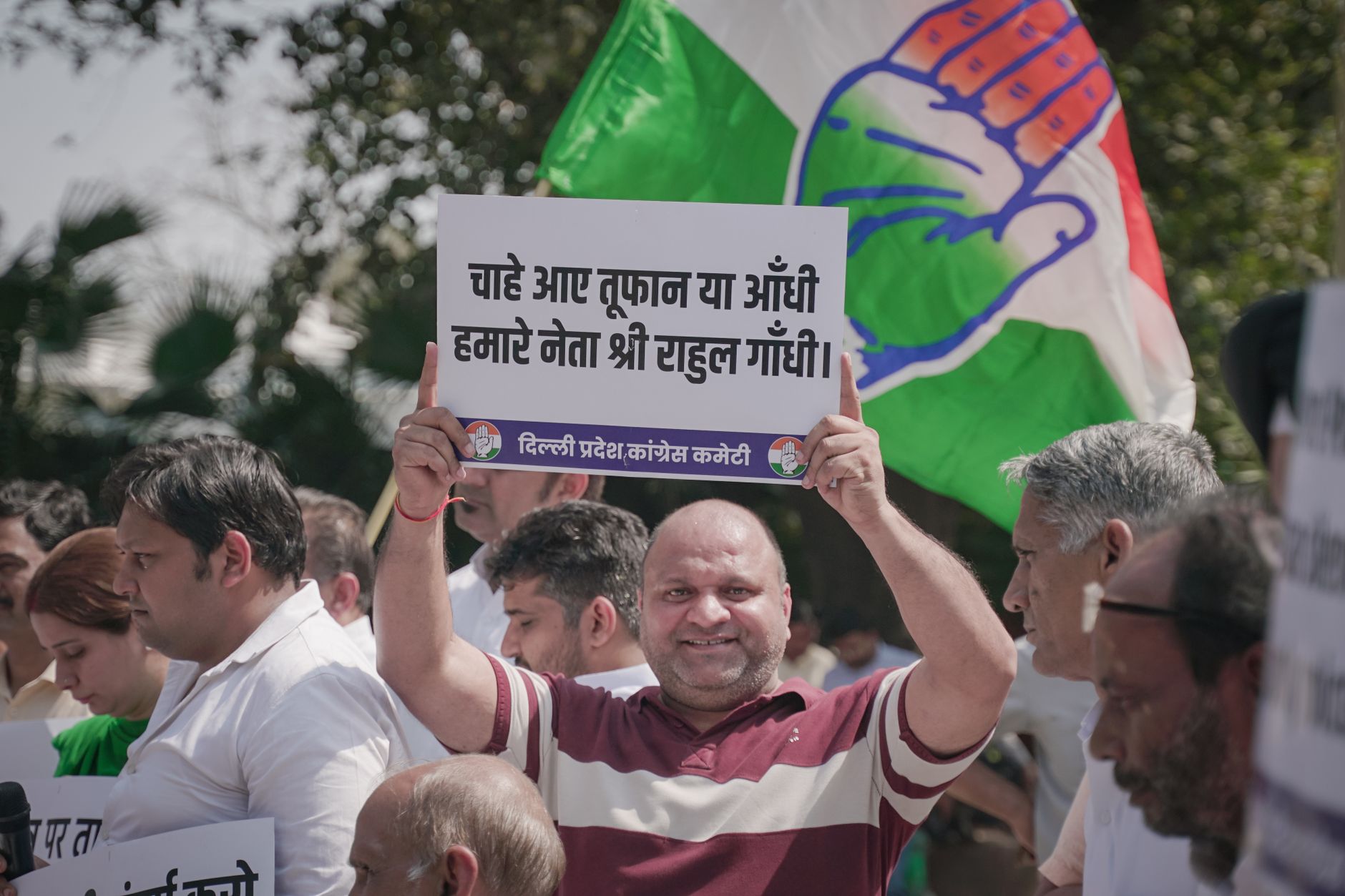
The Rahul Gandhi Jaishankar meeting has sparked significant interest and debate among political commentators. This encounter has been characterized by sharp exchanges and differing perspectives on key issues.
Overview of the Meeting
The recent meeting between Rahul Gandhi and Jaishankar has drawn significant attention, revealing underlying tensions within Indian politics. As both figures represent pivotal roles in the current government, their interactions are closely scrutinized.
During the meeting, several key topics were discussed, highlighting divergent views on foreign policy and national strategy. The atmosphere was reportedly charged, with Gandhi questioning the effectiveness of Jaishankar’s approach to international relations.
- Diplomatic Relations: Gandhi expressed concerns about the state of India’s relationships with neighboring countries.
- Domestic Policy: The discussions also touched on how foreign policy impacts domestic issues, indicating a rift in strategic priorities.
- Public Perception: Gandhi’s comments suggested a belief that the government’s current direction lacks transparency and effectiveness.
The Rahul Gandhi Jaishankar meeting thus serves as a reflection of the growing divide between different factions within India’s political landscape, making it a pivotal moment for future discourse.
Key Players Involved
The recent Rahul Gandhi Jaishankar meeting has brought to light the key players involved in this politically charged encounter. Both figures represent significant factions within Indian politics, contributing to the tensions observed during their discussions.
The main individuals involved are:
- Rahul Gandhi: The leader of the Indian National Congress, known for his vocal criticism of the current government’s policies and approach to international relations.
- S. Jaishankar: The Minister of External Affairs, who plays a crucial role in shaping India’s foreign policy and is often seen as a key architect of the government’s diplomatic strategies.
- Political Advisors: Both leaders are supported by their respective teams, which include political strategists and advisors who provide insights and guidance on current political climates.
- Opposition Members: Various members from the opposition have expressed their views on the meeting, reflecting the broader spectrum of political opinions surrounding the discussion.
The dynamics among these players are indicative of the ongoing political rivalry in India.
Political Implications
The recent Rahul Gandhi Jaishankar meeting has stirred significant political implications within India. Observers note that the tensions displayed during the discussions reflect deeper ideological divides between the Congress party and the ruling Bharatiya Janata Party (BJP).
During the meeting, Rahul Gandhi emphasized the need for constructive dialogue while expressing concerns over the government’s foreign policy choices. This has raised questions about the effectiveness of current diplomatic strategies, particularly in relation to India’s global standing.
Political analysts suggest that the friction between Gandhi and Jaishankar could signal a shift in opposition strategies, as Congress seeks to capitalize on perceived failures in governance. The fallout from this encounter may influence public sentiment ahead of upcoming elections, with focus on:
- Congress’s stance on foreign relations
- BJP’s response to criticism
- The role of diplomacy in domestic politics
As the political landscape evolves, the implications of the Rahul Gandhi Jaishankar meeting will continue to unfold.
Public Reactions
The recent Rahul Gandhi Jaishankar meeting has sparked a wave of public reactions, showcasing a divided opinion among citizens and political analysts alike. Many people took to social media to express their views, with some praising Gandhi for his candid approach during the discussions. Supporters believe that his critiques are necessary for holding the government accountable.
Conversely, critics argue that Gandhi’s comments may have undermined diplomatic relations. A survey conducted online revealed the following sentiments:
- 45% of respondents felt that Gandhi’s remarks were justified and highlighted essential issues.
- 30% believed that his approach was too confrontational, potentially harming India’s international standing.
- 25% remained neutral, stating that both leaders have valid points in their respective roles.
As discussions continue, the public’s response could influence future political strategies and diplomatic engagements.
Historical Context
The historical context surrounding the Rahul Gandhi Jaishankar meeting is pivotal in understanding the current political landscape in India. The relationship between the Congress party and the ruling Bharatiya Janata Party (BJP) has been fraught with ideological differences, particularly on foreign policy issues.
Since the introduction of economic reforms in the 1990s, India has witnessed a shifting dynamic in its diplomatic approach. This shift has often led to friction between various political entities, each advocating for distinct foreign policy directions. In recent years, the growing influence of nationalism in Indian politics has further complicated these interactions.
This meeting comes at a time when both leaders are under scrutiny for their respective roles in shaping India’s international stance. The historical backdrop of their political rivalry adds layers to the conversation, highlighting not just personal tensions but also broader ideological conflicts that have persisted over the decades.
Understanding this context is essential for interpreting the implications of the meeting and the reactions that followed.
Analysis of Tensions
The recent Rahul Gandhi Jaishankar meeting has brought underlying tensions within the Indian political landscape to the forefront. Observers noted a palpable strain between the two leaders, reflecting broader ideological divides. This meeting, while initially presented as a routine diplomatic discussion, revealed significant discord regarding key national issues.
Several factors contribute to this tension:
- Differences in Approach: Gandhi and Jaishankar represent contrasting political philosophies, particularly in foreign policy and domestic governance.
- Public Statements: Previous remarks from both leaders have fueled speculation about their relationship, suggesting a lack of trust.
- Media Representation: The way this meeting has been portrayed in the press highlights the contentious atmosphere surrounding it.
The implications of this meeting extend beyond personal dynamics, indicating potential challenges for future collaboration on national and international fronts.
Future Prospects
The recent Rahul Gandhi Jaishankar meeting has raised questions about the future dynamics of Indian politics. Observers are keenly analyzing the potential outcomes of this dialogue, particularly in the context of the escalating tensions between the Congress party and the BJP-led government.
As both leaders navigate their respective political landscapes, several factors could influence their future interactions:
- Public Sentiment: The reactions from the electorate will likely play a critical role in shaping the narratives around both leaders.
- Policy Directions: Any shifts in foreign policy, especially regarding crucial issues such as trade and diplomacy, could redefine their relationship.
- Party Strategies: The strategies employed by both parties leading up to upcoming elections will be pivotal in determining their future engagements.
- Media Scrutiny: Increased media attention on their interactions may further escalate tensions or foster dialogue.
Ultimately, the outcomes of the Rahul Gandhi Jaishankar meeting will significantly influence the political landscape in India.
Conclusion
In conclusion, the meeting between Rahul Gandhi and Jaishankar has underscored the existing tensions within Indian politics. Observers noted that the interactions were marked by a palpable sense of disagreement, particularly on key issues affecting the nation. The implications of this meeting extend beyond mere political posturing; they highlight the growing divide among political leaders in India.
As the political landscape continues to evolve, the Rahul Gandhi Jaishankar meeting serves as a critical reminder of the challenges facing the current administration. Public reactions have been mixed, showcasing a populace that is increasingly polarized on matters of governance and foreign policy.
The historical context surrounding this meeting also plays a vital role in understanding the undercurrents at play. With the future of Indian politics hanging in the balance, it remains to be seen how these tensions will impact upcoming elections and policy decisions.
- Increased scrutiny of government actions
- Potential shifts in voter sentiment
- Heightened media attention on political leaders
The recent Rahul Gandhi Jaishankar meeting has shed light on the underlying tensions between the two leaders. Observers noted that the Rahul Gandhi Jaishankar meeting did not yield any substantial agreements, highlighting the ongoing political divide.
Photo by Sandeep Kashyap on Pexels
Where this came from
You might also like
Election Commission Moves: The Right Steps for Transparency · Microplastic harm reactions: Proven discoveries reveal dangers · Ankle Surgery Recovery: Proven Tips for a Quick Comeback
One thought on “Rahul Gandhi Jaishankar meeting reveals clear tensions”