Delhi detentions have become a point of contention as US lawmakers write to Trump’s secretary of state, addressing concerns over human rights in India.
Background of the Delhi detentions
The recent Delhi detentions have sparked significant international concern, particularly among US lawmakers. These detentions are part of a broader pattern of actions that many view as a crackdown on dissent within India. In light of these events, a group of US lawmakers has urged the Biden administration to take a firm stance and address the issue with Indian officials.
In their communication, they expressed alarm over the implications of such detentions for democracy and human rights in India. However, the Indian government has firmly rejected any suggestions of foreign interference in its internal matters.
Despite the push from US representatives, officials in India maintain that they are committed to their legal processes and sovereignty. The situation raises important questions regarding the balance between national security and individual rights in the context of the ongoing Delhi detentions.
US lawmakers’ concerns
US lawmakers have expressed significant concerns regarding the recent Delhi detentions, urging the Biden administration to take a clearer stance. In a letter addressed to Secretary of State Antony Blinken, the lawmakers emphasized the need for accountability and transparency in how the Indian government handles dissent. They highlighted the importance of protecting human rights and democratic values, which they believe are being undermined in India.
Among the issues raised were:
- The treatment of detained protesters and activists.
- Reports of increased police violence during detentions.
- The chilling effect on free speech and assembly.
The lawmakers’ letter coincides with India’s rejection of what they termed “interference” in its internal affairs, suggesting a challenging diplomatic landscape ahead.
India’s response to US
In response to the growing concerns over the Delhi detentions, the Indian government has firmly rejected what it describes as foreign interference in its internal affairs. Officials have articulated their stance, emphasizing that the matter is a domestic issue and should not be subject to outside influence. The Ministry of External Affairs stated that India maintains its sovereignty and does not appreciate unsolicited comments from foreign entities.
Furthermore, Indian leaders have reiterated their commitment to upholding law and order within the country. They argue that the detentions were conducted in accordance with legal procedures and aim to maintain peace in the capital. The government has expressed hope that international observers will respect India’s judicial processes and refrain from making premature judgments without fully understanding the context of the situation.
As tensions rise, both sides continue to navigate the complexities of international diplomacy and domestic governance.
Historical context of US-India relations
The historical context of US-India relations is characterized by a complex interplay of strategic interests and democratic values. Over the past two decades, both nations have strengthened their ties, particularly in areas such as trade, defense, and counterterrorism. However, the recent Delhi detentions have sparked concerns among US lawmakers, who are increasingly vocal about human rights issues in India.
Since the early 2000s, bilateral relations have evolved significantly, with the United States recognizing India as a vital partner in the Indo-Pacific region. Despite this partnership, challenges remain, particularly when issues of governance and civil liberties arise. As the US grapples with its foreign policy priorities, the Delhi detentions serve as a reminder of the delicate balance between strategic alliances and the promotion of democratic principles.
Lawmakers are now urging a clearer stance regarding human rights concerns in India.
Impact on diplomatic ties
The recent Delhi detentions have raised concerns about the potential impact on diplomatic ties between the United States and India. Lawmakers in the US are advocating for a more assertive stance on human rights, particularly in light of the ongoing detentions. This situation has prompted discussions on how the US should balance its strategic interests in the region with its commitment to democratic values.
Some experts believe that prolonged tensions could hinder cooperation in critical areas such as defense and trade. Additionally, the US’s response to the Delhi detentions may shape perceptions of its role as a global leader in promoting human rights.
As both nations navigate this complex landscape, maintaining open lines of communication will be essential to prevent any lasting damage to their historically significant partnership.
Public reaction in India
The recent Delhi detentions have sparked a wave of public reaction across India, with many citizens expressing their concerns over the implications for civil liberties. Social media platforms have become a battleground for opinions, with hashtags related to the detentions trending nationwide.
Some citizens have taken to the streets, organizing peaceful protests to voice their discontent with the government’s actions. They argue that such detentions undermine the democratic values the country stands for. Others, however, support the government’s stance, believing that these measures are necessary for maintaining law and order.
The discourse around the detentions has also influenced discussions in educational institutions, where students and faculty are debating the balance between national security and individual rights.
As the situation develops, public sentiment remains divided, reflecting the complex landscape of politics and human rights in India.
Future implications for human rights
The recent Delhi detentions have raised significant concerns regarding the future of human rights in India. As global scrutiny intensifies, lawmakers in the US are urging more decisive action to ensure that fundamental rights are upheld. The implications of these detentions extend beyond immediate political ramifications; they pose a threat to India’s democratic fabric and its commitments to international human rights standards.
Furthermore, the situation may influence bilateral relations, as the US emphasizes the importance of human rights in its foreign policy agenda. Continued inaction could lead to increased tensions and isolation for India on the world stage. The call for accountability and transparency from US lawmakers reflects a growing bipartisan consensus that democratic principles should remain central to international relations.
As these developments unfold, the potential for long-term impacts on both domestic policy and international perception of India remains significant.
Calls for international oversight
In light of the ongoing Delhi detentions, several US lawmakers have emphasized the need for international oversight to address human rights concerns. In a recent letter to the Secretary of State, they highlighted the importance of ensuring that democratic principles are upheld in India, particularly regarding the treatment of individuals detained during protests. The lawmakers called for a thorough examination of the circumstances surrounding these detentions, suggesting that transparency is essential for fostering trust between the two nations.
Additionally, they urged the Indian government to allow independent observers to assess the situation, asserting that international scrutiny could help mitigate tensions. This call for oversight reflects a growing unease among US officials about the potential implications of the Delhi detentions on broader human rights issues. With diplomatic ties at stake, the focus remains on how both countries will navigate this challenging situation moving forward.
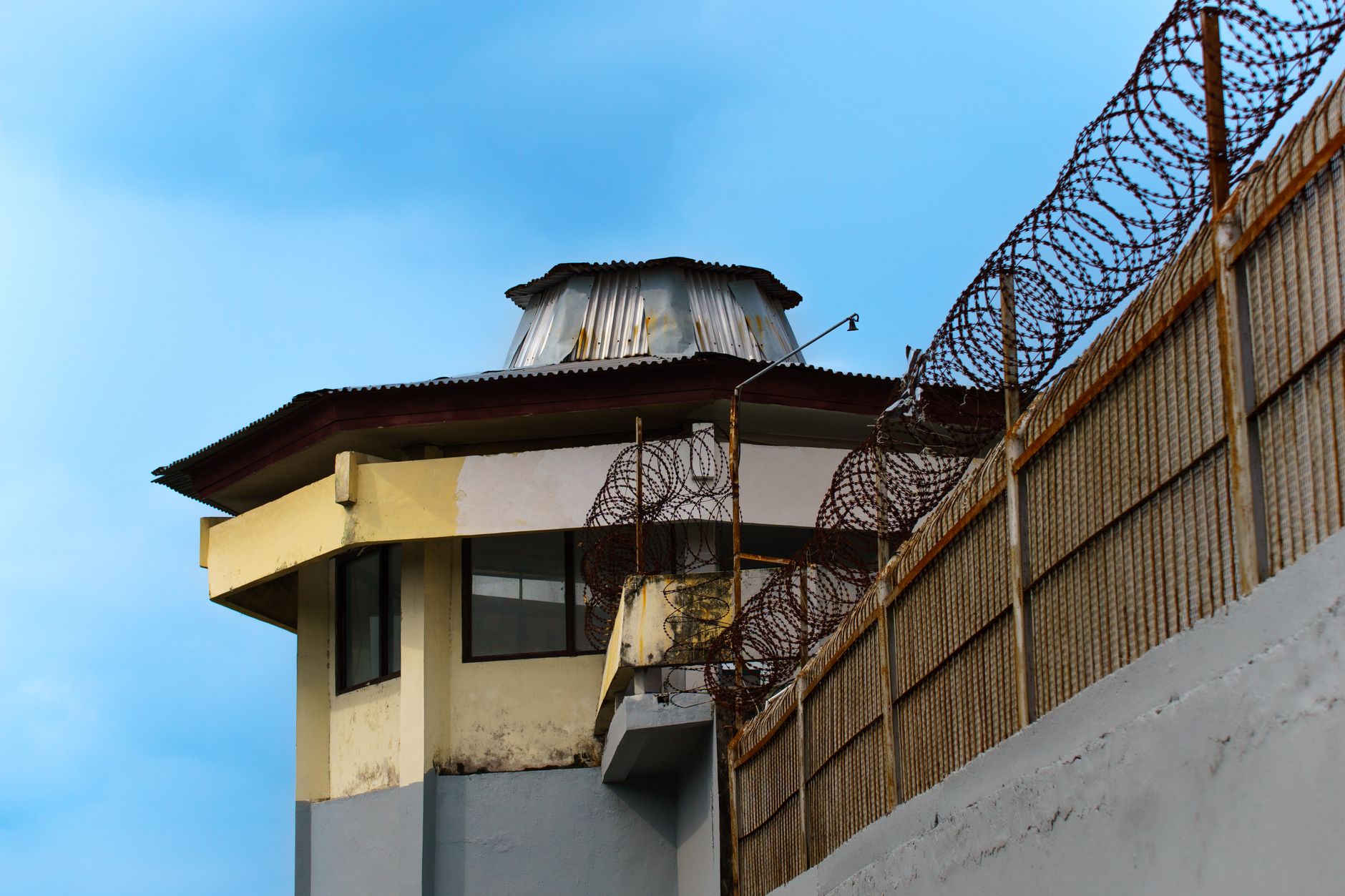
Photo by Dwi Candra on Pexels


One thought on “Delhi detentions: US lawmakers call for clear action”